


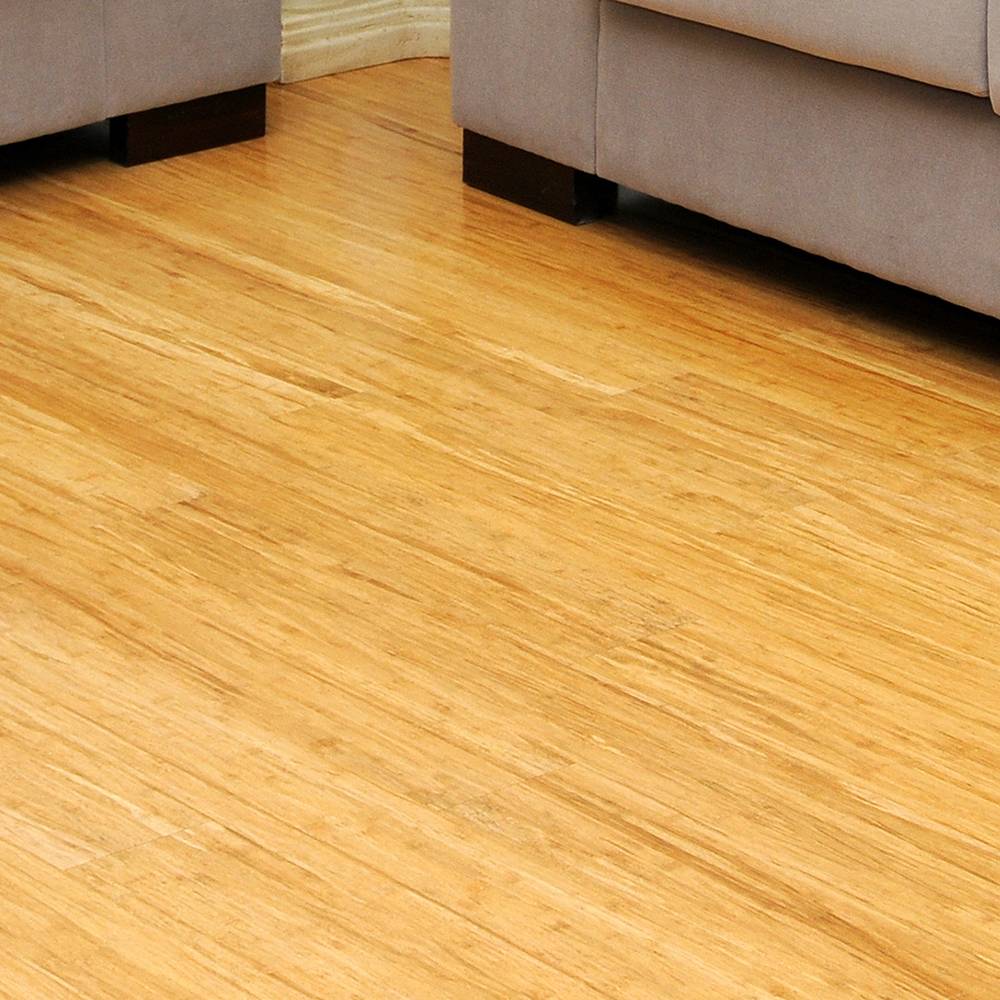
Carbonized strand woven bamboo has become a preferred flooring material for importers, builders, and homeowners who seek a warm aesthetic paired with notable durability. What sets carbonized strand woven bamboo apart from its natural counterpart is not only its darker tone but also the scientific processes that drive its performance characteristics. Understanding how carbonization affects color, strength, and long‑term stability helps buyers make informed decisions and spot differences between various manufacturers’ materials.
This article takes a closer look at the changes bamboo undergoes during carbonization, how strand weaving amplifies its structural qualities, and which factors influence the final product’s behavior once it arrives on site.
1. How Carbonization Alters Bamboo at the Molecular Level Carbonization is essentially a controlled heat process that modifies the bamboo’s internal chemistry. Bamboo contains cellulose, hemicellulose, lignin, and natural sugars. When exposed to elevated temperatures, typically between 150°C and 200°C, specific reactions occur:
Natural sugars caramelize, deepening the color. Hemicellulose begins to break down, reducing moisture sensitivity. Lignin partially softens and changes structure, influencing hardness. Volatile organic compounds decrease, altering the material’s odor and emissions profile. This combination of thermal changes produces the rich brown tones associated with carbonized materials. Unlike surface staining, which colors only the outer layers, carbonization achieves deeper, more uniform color penetration through the bamboo fibers, which contributes to better color retention over years of use.
The degree of color depth depends on the duration and temperature of carbonization. Lighter brown shades typically indicate shorter or milder heat treatment, while darker tones suggest longer exposure. Each factory develops its own “recipe,” which is why carbonized flooring can vary noticeably among different suppliers.
2. How Strand Weaving Strengthens Carbonized Bamboo Traditional bamboo flooring uses thin vertical or horizontal strips glued together. Strand woven bamboo takes an entirely different approach: raw fibers are shredded, mixed with adhesive, and compressed under extreme pressure to form blocks. These blocks are then milled into flooring planks.
The strand weaving process offers several scientific advantages:
Random fiber orientation distributes stress evenly, similar to engineered wood composites. High‑pressure compression increases density, improving hardness. Adhesive penetration helps bind fibers into a single monolithic structure. Heat and pressure work together to stabilize the material beyond what raw bamboo can achieve. Carbonized strand woven bamboo is typically denser than natural wood species like oak, hickory, or maple. Depending on the manufacturer, density can range from 1,000 to 1,250 kg/m³. At these levels, the flooring displays remarkable resistance to indentation and general wear.
While natural strand woven bamboo may test harder in some cases, carbonized material still performs extremely well, with any reduction in hardness usually within acceptable residential and commercial ranges. The difference stems from thermal exposure that slightly softens lignin. Properly controlled carbonization minimizes this effect and maintains excellent structural integrity.
3. Color Development: Why Carbonized Bamboo Looks the Way It Does The warm, coffee‑toned appearance of carbonized bamboo is one of its most attractive features. Unlike stained flooring, the color comes from chemical changes rather than artificial pigments.
Several factors influence final color:
Heating intensity and duration Moisture content during the carbonization cycle Age and density of the bamboo culms Uniformity of the thermal environment Pre‑soaking or conditioning steps, depending on the factory’s method High‑quality carbonization yields a consistent tone across fibers, which translates into stable, predictable coloring after compression and milling. Lower‑grade carbonization can result in patchiness, streaking, or color shifts within a single plank or between different batches.
For importers, understanding this process helps set realistic expectations when comparing multiple factories’ samples. Differences in chemistry and equipment lead to distinct color signatures, so maintaining repeat orders with one skilled factory often ensures better long‑term consistency.
4. The Relationship Between Carbonization and Strength The topic of strength often triggers misunderstandings. Carbonization slightly reduces bamboo’s raw fiber hardness due to thermal modification of lignin and hemicellulose. However, when these carbonized fibers are processed into strand woven material, the resulting density and fiber bonding compensate for most of the loss.
Several scientific factors maintain strength:
Compression pressure densifies the carbonized fibers. Adhesive systems reinforce fiber networks. Heat treatment reduces internal moisture reactivity, improving dimensional stability. The monolithic structure created through strand weaving reduces weak points. When tested using standardized methods, carbonized strand woven bamboo routinely achieves hardness ratings far beyond many hardwood species. The slight variance between natural and carbonized versions tends to matter more on paper than in real‑world use, where wear resistance depends heavily on density, finish quality, and adhesive performance.